Plant Layout
Borewell
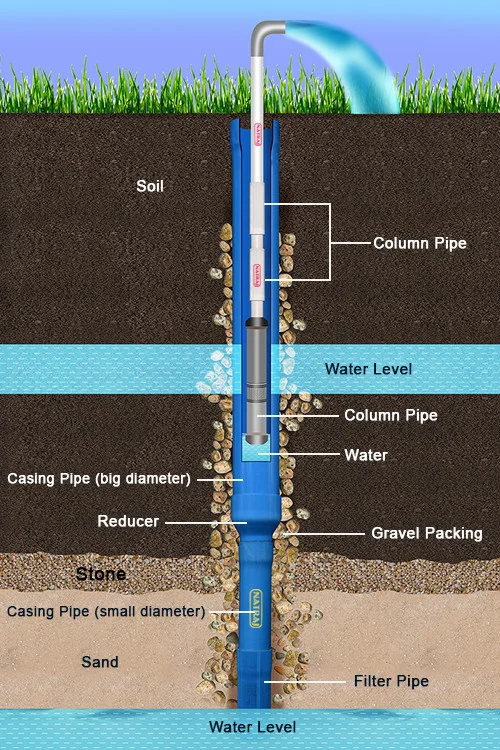
These are wells dug deep into the ground to tap into water-bearing soil or rock layers termed aquifers. Bore wells typically draw water from “confined deep aquifers”, i.e., rock layers deep underground, where water is trapped under pressure between the cracks of rocks.
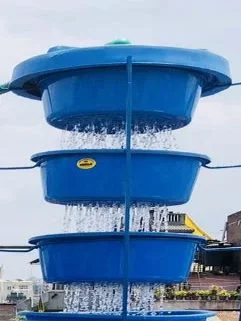
Aeration
Aeration is the process by which air is circulated through, mixed with or dissolved in a liquid or substance. Aeration brings water and air in close contact in order to remove dissolved gases and to oxidize dissolved metals, including iron, hydrogen sulfide, and volatile organic chemicals (VOCs).
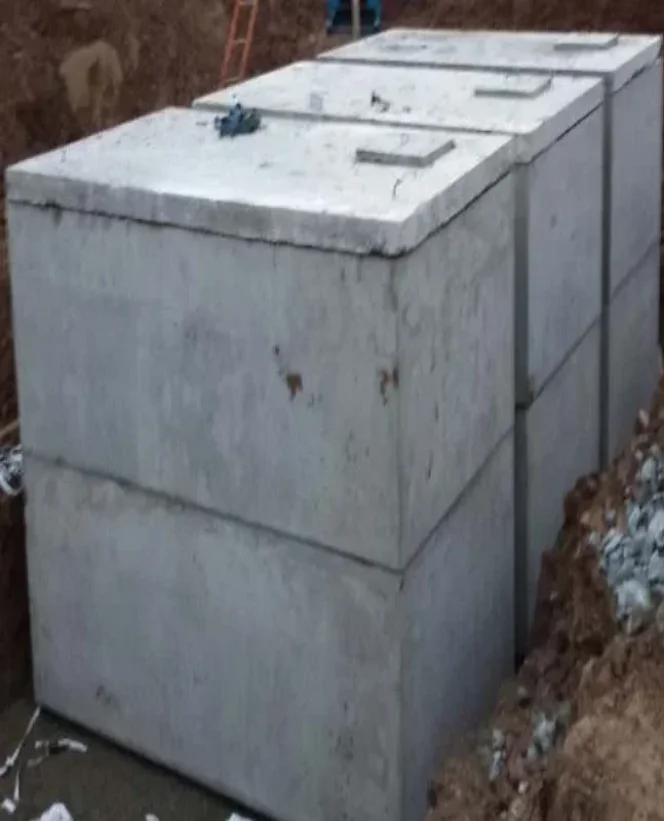
Sedimentation
Sedimentation is a common way of treating water. It is a process that removes solids that float and settle in the water. The process relies on the use of sedimentation tanks that remove larger solids. Subsequent treatment processes may be used after sedimentation.
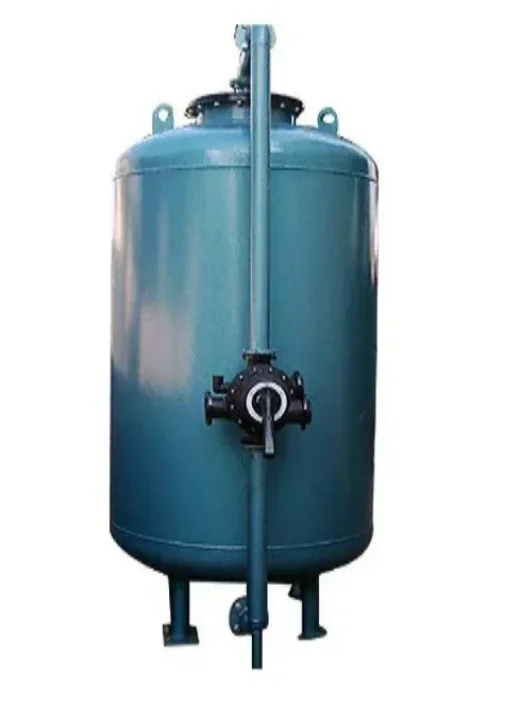
Multimedia Filteration
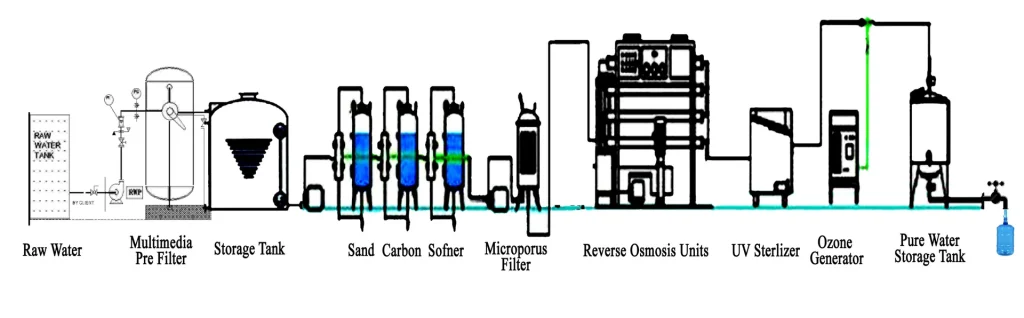
A water multimedia filter is used to reduce the level of SDI (Silt Density Index), TSS (Total Suspended Solids) in the incoming feed water. Suspended solids consist of small particles such as silt, clay, grit, organic matter, algae and other microorganisms.
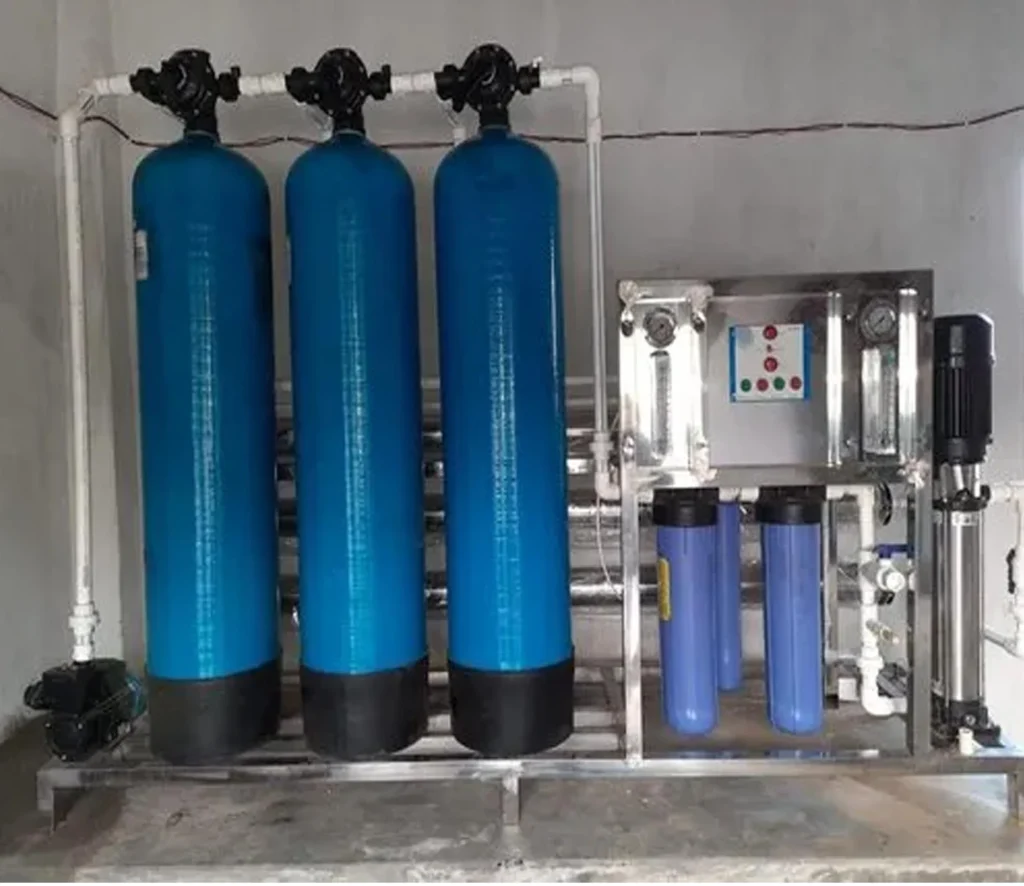
Sand Carbon and Resin with RO Filteration
A sand filter, or sand water filter, makes use of sand to filter water. The water to be purified slowly sinks through the sand of the sand filter, leaving the dirt particles from the water behind in the fine pores of the sand. This filter technology is especially suitable for pre-filtration of disinfection equipment, preparation for micro- and ultra-filtration, recirculation systems, rinse water processes, irrigation systems, basin water filtration and groundwater cleaning.
A filter with granular activated carbon (GAC) is a proven option to remove certain chemicals, particularly organic chemicals, from water. GAC filters also can be used to remove chemicals that give objectionable odors or tastes to water such as hydrogen sulfide (rotten eggs odor) or chlorine.
The resin used in water treatment plays a key role in enhancing water quality by removing impurities, softening hard water, and balancing water chemistry. Ion exchange resins, in particular, are widely used across various industries to treat water effectively.
Reverse Osmosis (RO) filters utilize pressure to force water through a semi-permeable membrane, effectively separating impurities and producing high-purity water, known as permeate. More about RO
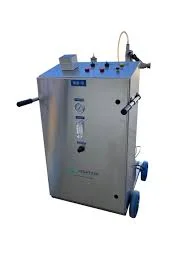
Ozonation
Ozonation in water treatment plants involves using ozone (O3) as a powerful oxidant and disinfectant to remove pollutants and microorganisms from water, including bacteria, viruses, and certain metals.In summary, ozonation is a valuable water treatment technology that offers effective disinfection and pollutant removal, making it a crucial tool in ensuring the safety and quality of our water supply.
UV Treatment
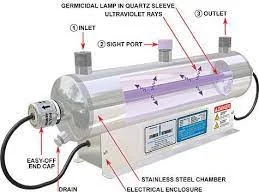
UV disinfection uses ultraviolet light to inactivate microorganisms like bacteria and viruses by damaging their DNA or RNA, ensuring safer drinking water without adding chemicals.